
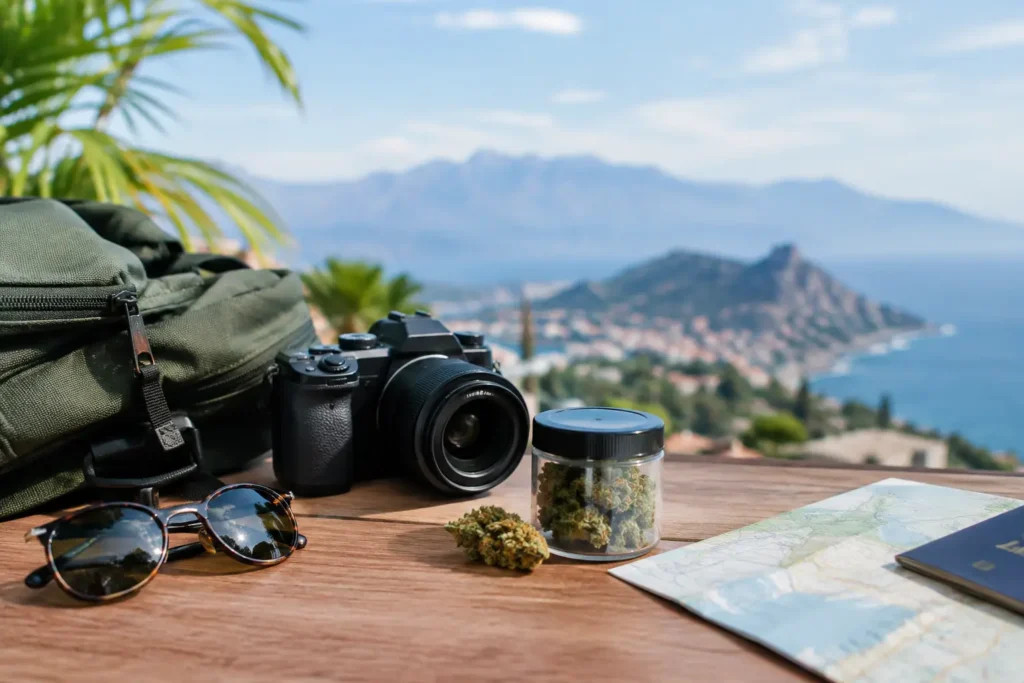
A cannabis-friendly trip in 2026 will be less about finding the nearest shop and more about understanding the exact place you have landed. A destination may welcome adult use in one setting, limit it in another, and take a very different view once you step into public. That is the real story behind cannabis travel trends 2026: travelers are getting smarter, cities are becoming more specific, and the old idea of a universally weed-friendly vacation is fading fast.
For travelers, that is not bad news. It means better reasons to plan ahead, choose destinations that fit your comfort level, and experience local cannabis culture without turning a vacation into a legal weed hiccup. Pack your bags, but leave assumptions at home.
Cannabis travel trends 2026 are getting more local
The biggest shift is a move away from country-level thinking. Saying cannabis is legal, tolerated, decriminalized, or available in a country rarely tells a traveler enough. Rules can vary by region, city, venue, age, quantity, residency status, and whether the product is consumed in public or on private property.
This matters in destinations that have become famous for cannabis. Amsterdam, Barcelona, Las Vegas, Bangkok, and Prague may all appear on a weed traveler’s radar, but they do not offer the same kind of access or the same social expectations. One city may have a regulated retail market. Another may operate through member-based spaces, tolerance policies, or rules that are actively changing. In some places, the cannabis scene is visible but public smoking is still unwelcome, restricted, or likely to draw attention.
In 2026, savvy travelers will search by neighborhood and city, not just by country. They will want to know where consumption is appropriate, whether a cannabis club requires membership, how identification rules work, and whether a hotel, rental, or beach has its own restrictions. The destination-specific details are no longer extra research. They are the trip plan.
The legal label is only the starting point
A place described as legal can still have strict rules around possession, consumption, home growing, transportation, or purchases by visitors. A place described as decriminalized may reduce certain penalties without creating legal sales or safe places to consume. And a tolerated market can still be subject to enforcement when travelers ignore the boundaries.
The practical takeaway is simple: never treat a broad legal headline as permission to do whatever you would do at home. Check the current rules close to departure, then check the rules for the specific city where you will sleep, eat, and go out.
Social clubs and private spaces will matter more
As public-consumption restrictions become more common, private and member-based spaces are likely to remain a major part of cannabis travel. Social clubs, consumption lounges, private events, and cannabis-friendly accommodations offer something that a street corner cannot: a setting with clearer expectations.
That does not mean every club or lounge is open to every visitor. Some spaces require advance registration, local sponsorship, a membership fee, or a waiting period. Others may prohibit photography, limit guests, or insist that consumption stay indoors. These rules are not there to ruin the vibe. They often exist because local laws leave little room for error.
Travelers are also becoming more selective about where they stay. A listing that says smoking is allowed does not automatically mean cannabis is allowed, and a private balcony is not always legally private from a local enforcement perspective. In 2026, asking before you book will save a lot of awkward conversations. Look for clear house rules, and do not pressure hosts or hotel staff to bend them.
Hospitality is becoming part of the experience
The stronger cannabis travel experiences will feel integrated rather than gimmicky. Think knowledgeable local guides, low-key lounges, food and art events where cannabis is not the only attraction, and accommodations that clearly explain their policies. For many travelers, convenience and privacy will be more valuable than chasing the strongest product or the flashiest storefront.
There is a trade-off. The most regulated destinations may feel easier to navigate, but they can be more expensive and less spontaneous. Looser scenes can feel adventurous, yet they may demand more caution and offer fewer protections. The right choice depends on whether your priority is certainty, culture, budget, or discretion.
Cannabis travel trends 2026 will favor responsible experiences
Cannabis tourism is moving beyond the bucket-list stop. More travelers are building cannabis into wider trips centered on music, food, nature, nightlife, wellness, and local culture. The plant is part of the itinerary, not the entire itinerary.
That shift is good for travelers and for destinations. A visitor who understands local etiquette is more likely to support neighborhood businesses, respect shared spaces, and avoid behavior that makes residents resent cannabis tourism. Blazing up outside a family restaurant, in a crowded historic square, or near a school is not a sign of freedom. It is a fast way to create problems for yourself and the local scene.
Responsible travel also means pacing yourself. Jet lag, altitude, heat, unfamiliar edibles, and alcohol can change how cannabis feels. Start low, especially with edibles, and give products time to work. Avoid driving, riding a scooter, or getting behind the wheel of a rental after consuming. Local DUI laws and impairment standards can be strict even where adult cannabis use is permitted.
Wellness claims deserve a clear head
Wellness-focused cannabis travel will continue to attract attention, from CBD spa treatments to quiet retreats and cannabis-adjacent relaxation experiences. Enjoy the setting, but be wary of big health promises. A vacation product is not medical care, and labels, strength standards, and testing practices vary widely across markets.
If you use cannabis for a health condition, do not assume your normal product will be available abroad. Talk to a qualified medical professional before traveling, especially if you take prescription medication. Never carry cannabis, THC vapes, gummies, oils, or CBD products across an international border unless you have verified that doing so is lawful on both sides. In many cases, the safest rule is to travel without it and research legal options after arrival.
Borders remain the hard line
No 2026 travel trend changes the basic reality of international travel: crossing a border with cannabis can expose you to serious consequences. This includes products purchased legally, leftovers from a legal destination, and items that seem harmless, such as infused candy or vape cartridges.
The same caution applies to airports, cruises, and trips that cross state, provincial, or national lines. Airport rules, airline policies, maritime law, and local enforcement can overlap in confusing ways. Do not rely on a store employee, social media post, or another traveler’s story as your legal advice.
If you buy cannabis legally at your destination, plan to consume or dispose of it according to local rules before you leave. Do not stash it in checked luggage, carry-on bags, toiletries, or souvenirs. The souvenir is never worth the stress.
How to plan a better cannabis-friendly trip
Start with the destination, then work outward. Confirm the current legal status for adult visitors, identify the city’s rules for public consumption, and learn what form of access actually exists. A destination guide is most useful when it explains the street-level reality: what is normal, what is frowned upon, and what can get expensive quickly.
Next, match your accommodation to your plans. If you need a private place to consume, get written clarity from the host or property before booking. If that is not available, do not assume parks, sidewalks, beaches, or rental cars are your backup plan.
Finally, give yourself permission to skip cannabis when the situation feels unclear. A great trip can include a local meal, a museum, a hike, a concert, or a night out without forcing a cannabis experience into a place where it does not fit. The most confident cannabis travelers are not the ones who take the biggest risks. They are the ones who know when local culture is inviting them in and when it is asking for restraint.
The best 2026 cannabis trips will be built on curiosity, not entitlement. Learn the rules, respect the people who live there, and let the destination set the pace.